Instagram: developing interactive visual content
•Focus on short videos: With the continued success of the feature Reels It has become clear that short videos have become a powerful tool to attract audiences. Many companies use this feature to create dynamic and engaging content that can reach a wide audience in a short time.
•Shops on Instagram: The store feature has developed so that companies can sell their products directly through the platform. This trend enables brands to offer a seamless in-app purchasing experience, which directly increases sales.
•Benefit from artificial intelligence: Tools like augmented reality (AR) and artificial intelligence are starting to play a role in the user experience on Instagram, as users can now try on products virtually before purchasing.
TikTok: Turn content into a huge marketing force

•The tremendous growth of entertainment content: TikTok has become the ideal platform for brands seeking to reach a young and engaged audience. High-impact short videos continue to dominate, allowing companies to deliver innovative marketing messages.
•Influencer marketing: One of the biggest trends that continues to grow on TikTok is the reliance on influencers to promote products and services. Influencers have a large fan base and offer brands access to their audiences in an organic and unconventional way.
•TikTok Shop: Similar to Instagram, TikTok has developed in-app stores, where businesses can sell directly to users through interactive videos.
LinkedIn: Focus on building a professional community

•Expansion of video content: LinkedIn has begun to focus more on videos to provide educational and how-to content, helping companies and individuals present their professional expertise and skills more interactively.
•Automation and personal interaction: More marketers are turning to automation technologies to make it easier to manage relationships and connections on LinkedIn, but maintain the personal interaction that the platform's professional audience prefers.
•Thought Leadership content: It has become important for companies to highlight their expertise in their fields through content that enhances their position as thought leaders. Companies that invest in this type of content can build long-term trust with their professional audiences.
Facebook marketing effectiveness will decline in 2025

Facebook has seen a decline in its marketing effectiveness due to multiple factors. The most important of these factors is Organic reach declines(Organic), as it has become difficult to get free engagement with commercial content due to changes in the platform's algorithm. Also New privacy policies, such as the iOS 14 update, hindered data tracking, affecting the accuracy of ad targeting. In addition, High cost of advertising Increased competition led to reduced return on investment. Finally, User migration to other platforms, like TikTok and Instagram, have reduced Facebook's appeal, especially among younger audiences.
Cross-Platform Integration: A Multi-Channel Strategy
One of the most notable trends emerging in 2025 is the focus on using an omnichannel strategy. Brands rely on integration between different communication platforms such as Instagram, TikTok, and LinkedIn to achieve integrated marketing goals. For example, a brand might start building awareness via TikTok and then direct the audience to LinkedIn for more professional information, or to Instagram to complete a purchase.
Artificial intelligence and personalized content
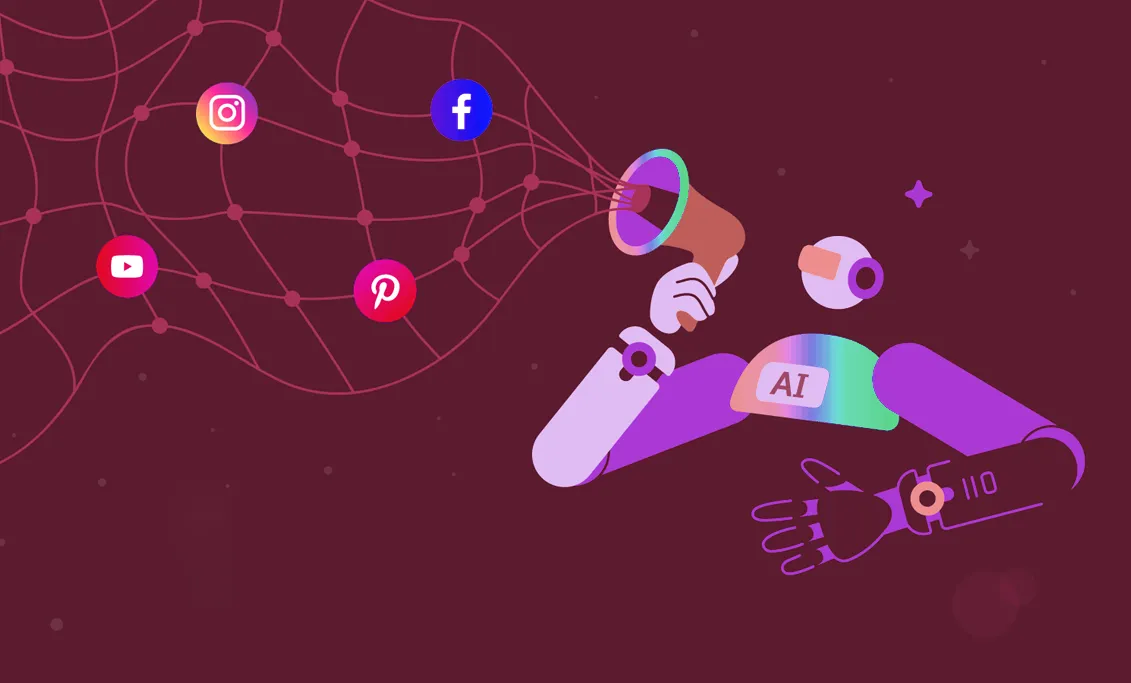
Artificial intelligence technologies are playing an increasing role in improving social media marketing strategies. These technologies are used to analyze user behavior, which helps brands deliver personalized content that matches each individual's interests. This trend is one of the most important developments that helps increase engagement and conversions.
Statistics and figures about the impact of artificial intelligence in improving marketing results
Increase in conversions using AI: According to a company report Salesforce 77% of companies that rely on AI in marketing saw an improvement in conversions and sales. Artificial intelligence contributes to analyzing big data and personalizing offers to users in an effective way, which leads to improving the personal experience and increasing the conversion rate.
Personalization and targeted content: According Epsilon Research 80% of customers are more likely to buy from companies that provide personalized experiences using artificial intelligence. These technologies help target marketing messages accurately based on users' behavior and interests, which enhances customer loyalty.
Improve customer experience: In a study conducted by PwC 73% of customers indicated that artificial intelligence contributes to improving their online purchasing experiences. This is achieved through chatbots and digital assistants that provide quick and efficient responses.
Predictive analytics and increased revenue: Report mentioned to McKinsey Companies that use AI-based predictive analytics achieve up to 20% higher revenues than those that do not use this technology. This depends on the ability of artificial intelligence to predict market trends and accurately analyze customer behavior.
Increased efficiency in advertising spending: I mentioned Statista 84% of marketers who use AI in their advertising campaigns have seen a significant improvement in their ad spend efficiency (ROAS). Artificial intelligence helps identify the most suitable target audiences and improve promotion strategies.
Automation in email marketing: According to a report from HubSpot Email campaigns that rely on AI to analyze data and personalize messages achieve a 29% increase in click-throughs and a 41% increase in open rates. This increases brand engagement and improves conversion chances.
These statistics reflect the growing role of artificial intelligence in improving marketing performance and increasing company revenues by personalizing content and improving customer experiences.
Community interaction and social responsibility
It has become essential for brands to demonstrate their commitment to societal issues such as sustainability and social responsibility. This type of content enhances the brand's image and brings it closer to its audience, especially among young age groups who are interested in environmental and social issues.
In 2025, social media marketing is seeing exciting new developments, with a greater focus on visual content, cross-platform integration, and leveraging artificial intelligence to personalize content. Platforms like Instagram, TikTok, and LinkedIn continue to present tremendous opportunities for businesses to reach their audiences in an innovative and effective way.
The article was written by the Magnet team - Adib Habbal