What is digital marketing?
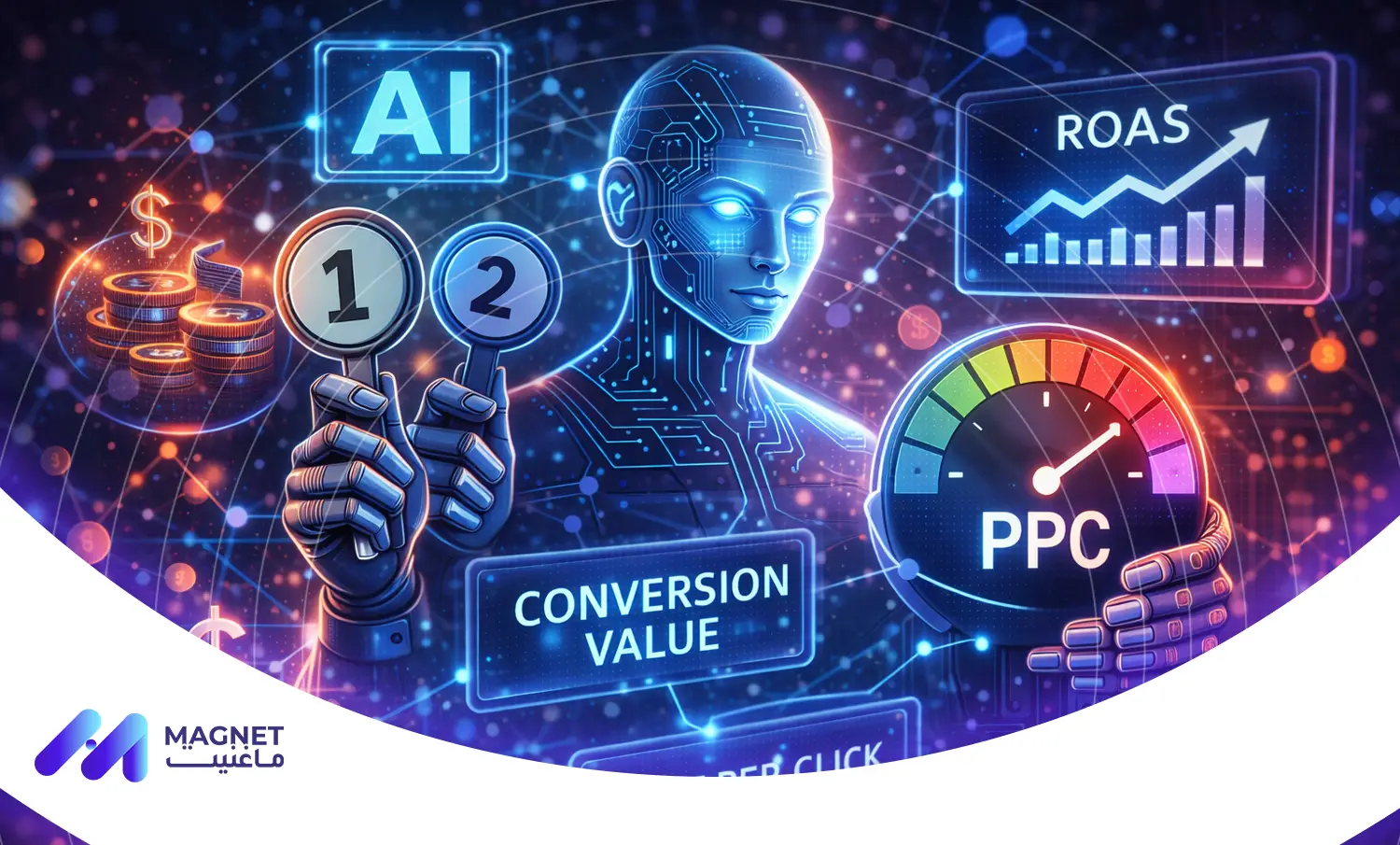
Before diving into the details, it's important to define Meaning of digital marketing. In short, it is the use of digital channels such as websites, email, social media sites, and search engines to reach a target audience and achieve specific business goals. This includes everything from building and increasing brand awareness, to attracting new customers and retaining existing ones.
Steps to build an effective marketing plan for your website
1. Setting goals

The first step in any successful marketing plan is to set clear, measurable goals. Whether it's increasing brand awareness, generating leads, or increasing sales, your goals should be specific and aligned with your company's overall goals.
2. Understand the target audience

Knowing who you are trying to reach is a crucial part of planning. You must understand their needs, preferences, online behaviors, and the digital channels they use most frequently. This information will guide you in determining the types of content and marketing channels you should focus on.
3. Develop a content strategy

Content is the heart of digital marketing. You should develop a content strategy that includes engaging writing, images, videos, and other forms of content that attract your target audience and motivate them to engage with your brand. Content should be useful, educational, and provide real value to consumers.
4. Search Engine Optimization (SEO)

In order for your website to be easily found online, it must be optimized for search engines. This includes choosing the right keywords, optimizing titles and descriptions, and ensuring the site is responsive and mobile-friendly.
5. Use digital advertising

In addition to unpaid marketing efforts, you may also want to explore digital advertising options. Whether it's through Google Ads, social media advertising, or other advertising networks, push advertising can help quickly increase the reach of your target audience.
6. Measuring results and continuous improvement

Finally, it is essential to measure the performance of your marketing strategy and analyze the results. Use tools like Google Analytics To track your site visits, conversion rate, and other key metrics. Use this data to continually improve your strategy and ensure the best possible results.
Popular digital marketing channels: forms of digital marketing
Online marketing channels have become essential in business strategies to reach target audiences, increase brand awareness and achieve business goals. In today's era of digitalization, these channels are diversifying and constantly evolving, offering marketers multiple opportunities to connect with their customers in effective and innovative ways. Below, we review some of the most popular e-marketing channels that marketers rely on today:
1. E-marketing via search engines (SEM and SEO)

Search Engine Optimization (SEO): It refers to optimizing your website to increase its visibility in natural search results. This includes optimizing keywords, content quality, loading speed, and user experience.
Search Engine Marketing (SEM): Includes purchasing paid advertisements that appear on search engine results pages (SERPs), such as advertisements Google ADS To attract visits to the site immediately.
2. Email marketing

This channel allows marketers to send personalized, targeted messages directly to their audience's inboxes. When used strategically, email marketing can foster brand loyalty and increase sales.
3. Social media marketing
Social media platforms like Facebook, Instagram, Twitter, and LinkedIn allow brands to reach and engage with their audiences in innovative ways. These platforms can be used to share content, run advertising campaigns, and build a community around the brand.
4. Content marketing
It involves creating and publishing valuable and useful content to attract and engage the target audience, while directing them towards taking a specific action. This content can take different forms, including articles, videos, infographics, and podcasts.
5. Influence marketing

It involves working with individuals who have significant influence online, such as influencers and bloggers, to promote products or services. This can be especially effective for reaching specific audiences in a more honest and personal way.
6. Digital advertising
It includes purchasing online advertising across various platforms including websites, apps, and social media networks. Digital advertising allows marketers to precisely target specific audiences and track performance effectively.
7. Mobile marketing
It involves directing marketing efforts towards users via their mobile devices, such as smartphones and tablets, and can include apps, SMS, and mobile advertising.
8. Marketing via video platforms
Platforms like YouTube and Vimeo offer huge opportunities for video marketing, allowing brands to create interactive content that increases their reach to an interested audience.
Skills required by company owners to deal with electronic marketing companies

To succeed in the age of digital marketing, business owners and managers in general need a set of skills to deal with digital marketing companies effectively. Here are some of the skills required:
Understand the basics of digital marketing: Business owners must understand the basic concepts of digital marketing such as SEO, SEM, social media marketing, and digital advertising.
Ability to develop a strategy They need the ability to develop an integrated digital marketing strategy that includes analysis, setting goals, and selecting appropriate channels.
Good communication: Business owners must be able to communicate effectively with digital marketing companies, whether it's negotiating services or clarifying goals and expectations.
Understanding analytics and data Business owners must understand how to read the analytics and data available to measure the performance of digital marketing campaigns and make decisions based on them.
Ability to adapt and update: They must be aware of new developments in digital marketing and technology, and be able to adapt and update their strategies accordingly.
Financial management and budget: They need a good understanding of budget management and financial planning for digital marketing campaigns, including identifying expected expenses and estimating ROI.
Creativity and innovation: They must be able to innovate and apply creative ideas in digital marketing strategies to attract audience attention and differentiate their brand from competitors.
Time management and organization: They need the ability to manage time effectively and organize tasks related to managing digital marketing campaigns in an organized and efficient manner.
In short, business owners must be familiar with the basics of e-marketing, communication and analytical skills, in addition to the ability to adapt and be creative, to ensure the success of dealing with e-marketing companies and achieving business goals effectively.
Why is the website key to a brand’s success?

A website is considered an essential key to a brand's success for several reasons:
Global reach: The brand’s website provides an opportunity to reach a global audience immediately and continuously, around the clock, without geographical restrictions. People from all over the world can access the information, products or services offered by the brand via the website.
Increase brand awareness: The website is considered a main interface for the brand on the Internet, and thus contributes to building and enhancing brand awareness among the public. A website can reflect a brand's identity and values and convey its message effectively.
Constant presence and effective communication: Customers can visit the website at any time of the day, allowing the brand to provide comprehensive information and an interactive experience to customers at any time they see fit. In addition, the website can be a platform for direct communication between the brand and customers through contact forms, live chat, or email.
Increase sales and revenues: The brand’s website provides an opportunity to sell products or provide services online, which enhances the chances of increasing sales and revenues. The website can also be a platform for presenting special offers and marketing campaigns to attract customers and enhance revenues.
Transparency and credibility: By having a premium website and engaging and reliable content, a brand can build its reputation and credibility among potential customers. The brand's website allows information to be displayed transparently and provides a distinctive user experience, which enhances customer confidence and loyalty.
In short, a website is a vital tool for a brand's success in the digital age, as it represents a key point of contact with the audience and contributes to enhancing brand awareness, increasing sales and revenues, and building lasting relationships with customers.
Important tools that must be used on any website

Providing an excellent user experience and achieving brand goals across a website requires the use of a variety of tools. Here are some important tools to use on your website:
Google Analytics: This tool provides detailed analytics about website performance, including number of visits, traffic sources, user behavior, and conversion rate. Google Analytics helps in understanding site performance and identifying areas that need improvement.
Google Tag Manager: It is used to manage and track conversion tags and analytics on the site without the need to directly modify the code. It helps simplify the process of tracking events and analyzing data.
Facebook Pixel: It is used to track the performance of advertising campaigns on Facebook and Instagram and analyze users’ interaction with the site. It helps determine the target audience and improve advertising strategies across Facebook platforms.
SEMrush: Used for comprehensive research and analysis purposes of the website and its competitors. Provides information about keywords, traffic, backlinks, ad performance, and more.
Yoast SEO: It is considered an important plugin for the WordPress platform to improve SEO on the site. Provides detailed guidance on optimizing site content and structure to increase its visibility in search engine results.
Heatmap Tools: like Hotjar Or Crazy Egg, these tools help analyze users’ behavior across the site visually through heat maps, recordings, etc., which helps improve the user experience. This tool is available through Clarity And also Yandex Metrica.
Optimizely: It is used to conduct A/B beta tests and multi-change tests to improve the design and content of the site and increase the conversion rate.
Using these tools effectively helps business owners understand the performance of their website, and improve it in line with business goals and the needs of the target audience.
Why digital marketing?
It is a dynamic and constantly changing field, requiring a commitment to continuous learning and improvement. By following the above steps and utilizing resources such as “Google Digital Marketing Basics,” website owners can build an effective marketing plan that helps achieve their business goals and enhance their success online.
What is the relationship of SEO to digital marketing?
Digital marketing strategies. It focuses on optimizing your website to appear better in organic search engine results, increasing the chances of attracting targeted visitors and achieving business goals. Therefore, SEO can be considered part of a digital marketing strategy because it affects how you are present and seen online and thus how potential customers reach you.
The article was written by Magnet Team