
A/B Test has become an integral part of modern digital marketing strategies, as it helps to effectively analyze ad performance and make decisions based on actual data rather than guesswork. The goal of A/B testing is to improve the results of advertising campaigns and increase interaction with the audience, which reflects positively on the return on investment. In this article, we will delve into the details of the benefits of A/B testing, how startups, medium and large companies can benefit from it, and the steps that help make this strategy successful, while mentioning some reference statistics.
What is A/B Test?
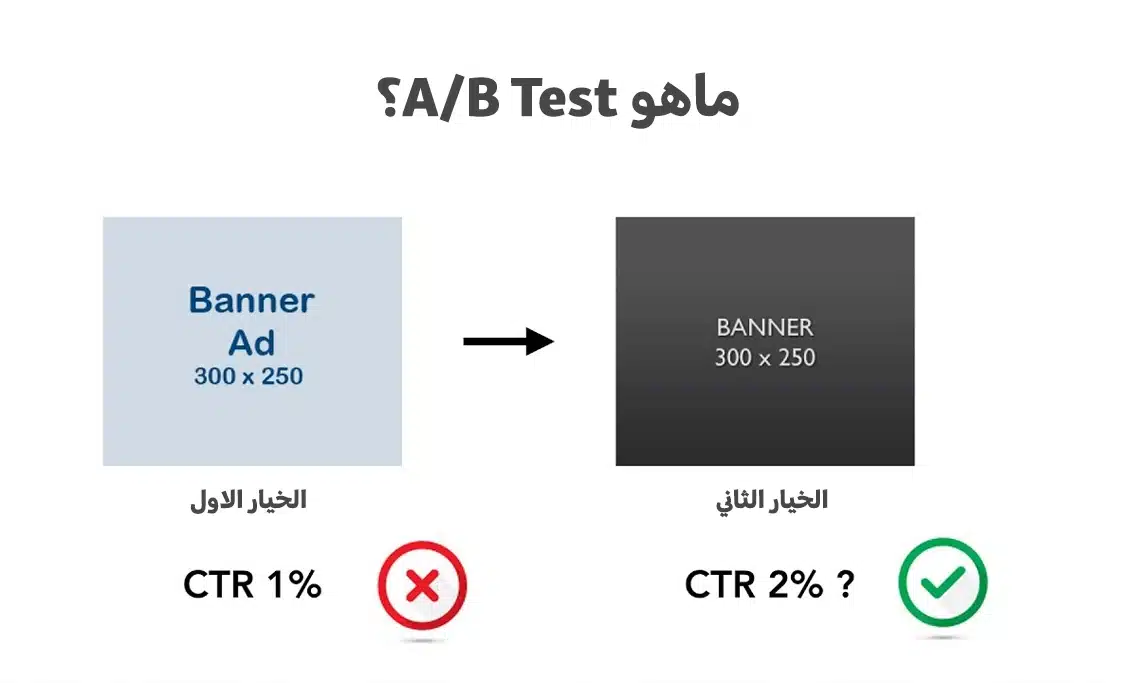
A/B testing is a process in which two versions of a particular item (such as an ad, web page, email) are created and their performance is compared to see which one produces better results. The goal is to improve performance based on data collected from audience interaction with each copy. This method is used to improve user experience and increase conversions by optimizing specific elements, such as titles, images, and call-to-action (CTA) buttons.
Benefits of using A/B Test in digital advertising
1. Improve performance and increase return on investment
Through A/B testing, campaign performance can be continuously improved by identifying the most effective elements and applying them in future ads. According to a report from HubSpot Businesses that use A/B testing to improve landing pages have achieved up to a 30% increase in conversion rates.
2. Achieve a deeper understanding of the audience
A/B testing allows collecting real data about audience preferences and behaviors. This helps marketers develop future campaigns that precisely target those preferences. For example, if a test shows that shorter titles produce better results, this finding can be applied to improve ads.
3. Save costs and improve spending efficiency
A/B testing allows marketers to know what works well before investing large budgets in unproven campaigns. Instead of putting all the resources into one potentially ineffective idea, the budget can be divided to test multiple options and choose the best one. According to a study from VWO A/B testing can reduce campaign costs by up to 20% by focusing on the most effective ads.
4. Data-driven decisions
Through A/B testing, marketing decisions can be made based on factual data rather than guesswork. This reduces risk and helps companies reach their goals faster and more accurately.
Steps to make A/B Test successful in digital advertising
1. Clearly define the goal
The first and most important step is to determine the purpose of the test. Do you want to increase your click-through rate (CTR), or improve your conversion rate? Clarity of purpose helps in designing the test to precisely meet your needs.
2. Choose the appropriate item to test
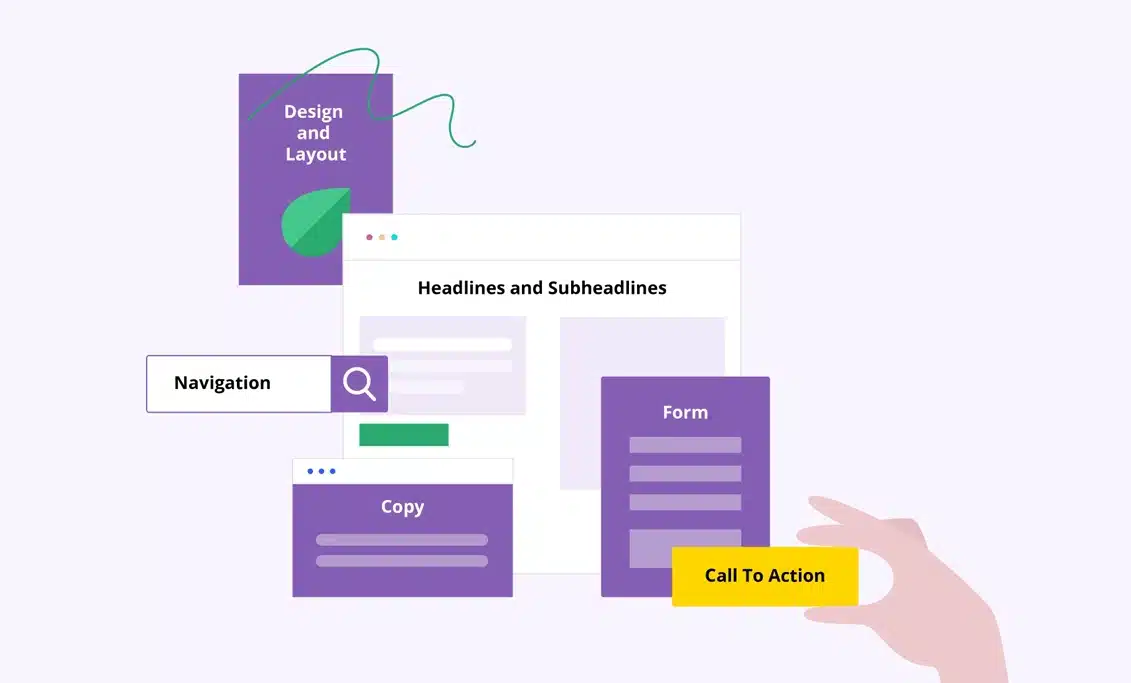
Select the element you want to test, whether it's the title, image, ad text, or any other element. It is best to focus on one item in each test to ensure accurate results.
3. Divide the audience fairly
It is important to divide the target audience equally so that half of them receive the “A” version and the other half the “B” version. This step ensures that the results are representative of the audience as a whole.
4. Use effective analysis tools
There are many tools that help to perform A/B testing easily, such as Google Firebase And Optimizely. These tools provide accurate data on the performance of each version and help to analyze the results comprehensively.
5. Choose an adequate testing period
Don't jump to conclusions; Choose a testing period that allows enough data to be collected to ensure results are accurate. It is important that the testing period extends over at least several days, to ensure that different user behaviors are covered throughout the week.
6. Analyze data and interpret results
After the testing period is over, carefully analyze the data to see which version performed better. Look at indicators like click through rate, conversion rate, and even ad interaction time.
7. Implement results and improve the strategy
After analyzing the results, apply the most effective version in your next campaigns. This application can serve as a starting point for other future tests, as continuous iteration allows you to continuously improve ad performance.
Additional tips to ensure a successful A/B test
Start with the basics: Start by testing basic elements like titles and images before moving on to the finer details.
Avoid big changes: Keep tests simple and avoid changing multiple items at once, so that the data does not get mixed up and become unreliable.
Keep testing: Make A/B testing an ongoing part of your marketing strategy to ensure constant performance improvement.
Practical examples and tangible results
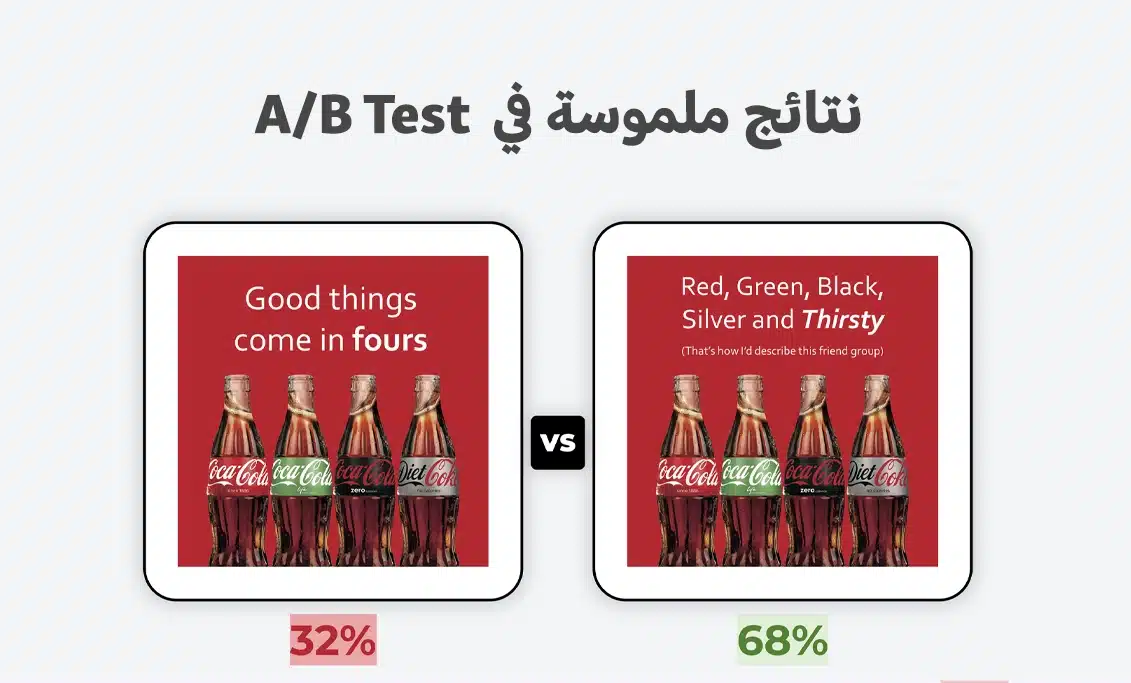
Businesses that rely on A/B testing in their digital campaigns often see a significant improvement in performance. For example, a well-known e-commerce company tested two different product page designs. One of the two designs contained high-quality images of the product and the other contained medium-quality images. The result was a 40% increase in conversion rate when using high-quality images.
In another example, a company A/B tested a call-to-action (CTA) button by changing its color from blue to green. After analyzing the results, the company found that the green button increased click rates by 20% compared to the blue button, which indicates the importance of simple details in improving ad performance.
Big budget and costs!
The costs of doing an A/B test can vary greatly depending on factors such as the tools used, the size of the test, and the type of ad or campaign being tested. Here's a rough look at the expected costs of doing an A/B test:
1. Tools and techniques used
•Free tools: Some tools such as Google Optimize It provides the ability to conduct A/B tests for free up to a certain limit, which is a suitable option for startups or small projects that have a limited budget.
•Paid tools: Advanced tools such as Optimizely And VWO It offers advanced options for analyzing data and performing multidimensional testing, and its cost ranges from $200 to more than $1,000 per month, depending on the features required and the volume of traffic on the site.
2. Advertising costs
•Advertising budget: When performing A/B testing on paid ads such as Facebook or Google ads, you must allocate a budget to each copy of the ad. For example, if the budget for test ads “A” and “B” is $500 per copy, you will need a total budget of $1,000.
•Cost of clicks or views: The cost also depends on the type of advertising campaign and the target audience. Cost per click (CPC) can range from $0.10 to several dollars depending on the industry and geographic region.
3. Time and human resources
•Time required Conducting an A/B test requires time to plan, prepare different versions, monitor performance, and analyze results. This may take a few weeks to a month to achieve accurate results.
•Human experiences: If a company lacks in-house expertise in conducting A/B testing, you may need to hire a digital marketing expert or specialized agency. The cost of consulting or implementing a campaign by an agency may range from $500 to several thousand dollars depending on the complexity of the test.
4. Sample size and audience
•Large sample costs: If the campaign is targeting a broad audience, A/B testing costs may rise due to the need to display the variants to a large number of users to achieve high statistical accuracy.
•Smaller tests: Small companies or projects targeting a limited audience can implement smaller tests at a relatively lower cost.
Example of an approximate cost
A medium-sized company wants to test two versions of a digital ad on Facebook. If your market cost per click is around $0.50, and each ad copy wants to get 1,000 clicks, the cost per ad will be around $500. Adding the costs of instrumentation and human resources, the total cost of testing may reach $1,500 to $3,000.
A/B testing can be a solid investment to improve the performance of ad campaigns and increase ROI, but it is essential to plan well and set an appropriate budget to ensure you get the most out of this investment.
Using A/B testing in digital advertising is a smart move to achieve success in your marketing campaigns. By experimenting with different elements and analyzing data, businesses can improve the performance of their ads and reach their audience more effectively. Following the steps and tips mentioned will help ensure the accuracy of the test and get the most out of it. Remember that digital marketing is not just posting ads, it is a continuous process of analyzing data and adjusting strategies to achieve success.