What is SMS marketing?
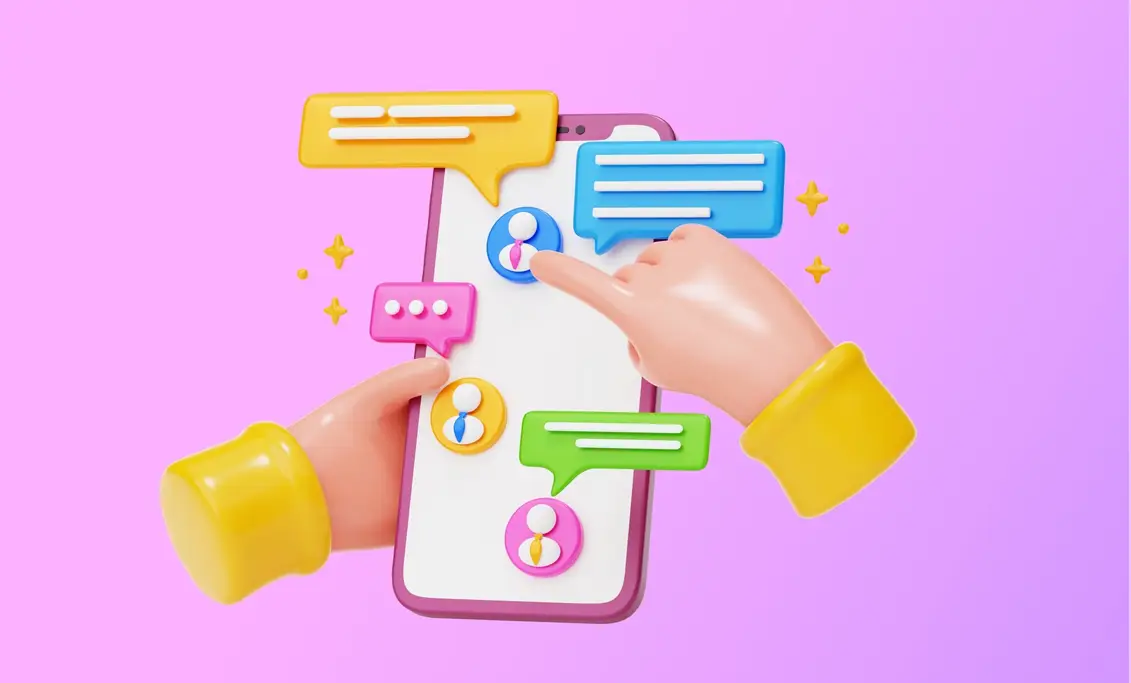
SMS Marketing It is the use of short text messages to communicate with customers and target audiences with the aim of marketing specific products or services. This type of marketing relies on sending text messages directly to users' phones, where marketing content is included that promotes a specific product or directs a call to take a specific action, such as visiting the website or calling a specific number.SMS messages are an effective way to communicate with customers directly and instantly, as the message can reach the customer at any time and in any place, whether the customer is connected to the Internet or not. In addition, the open rate of text messages is high compared to many other marketing methods, which increases the chances of reaching customers effectively.
What is MMS multimedia marketing?
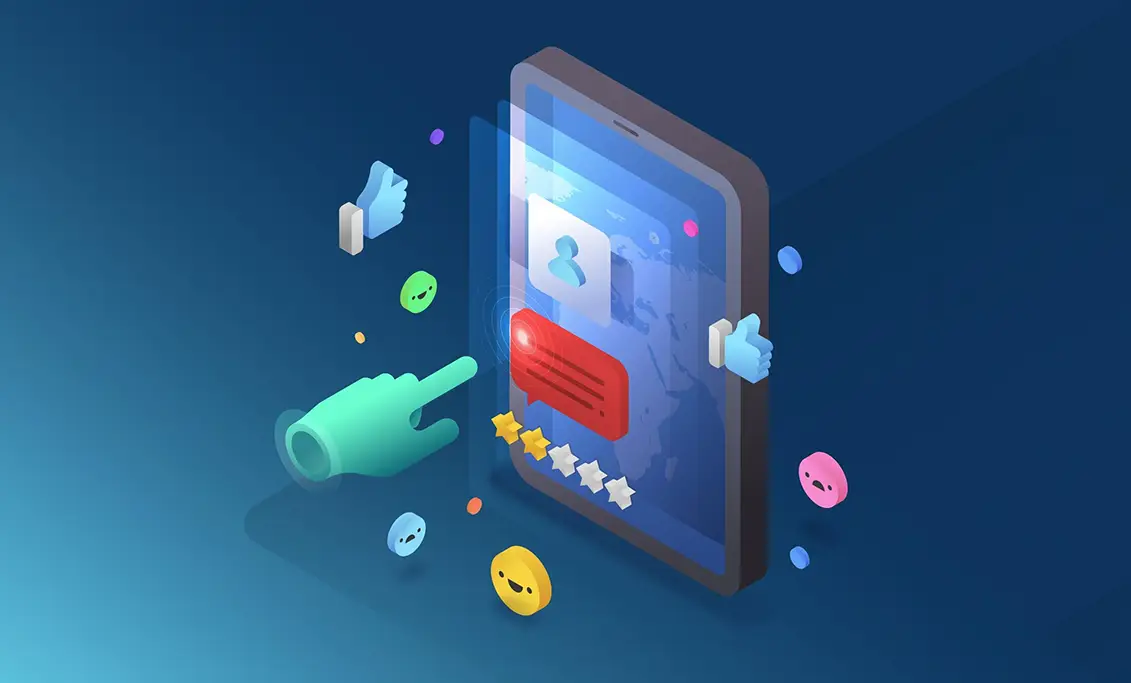
Multimedia Marketing (MMS)It is a marketing strategy that uses multimedia messages to communicate with a target audience. In this type of marketing, messages are sent containing multimedia content such as images, videos, and audio, in addition to plain text.
Different from traditional text-only SMS, MMS messages allow marketers to add engaging visual and audio elements that increase the appeal of the message and further attract customers' attention. This is important to improve the effectiveness of marketing campaigns and increase response rates.
MMS messages are used in marketing for several purposes, such as promoting new products, launching unique promotions, providing interactive experiences to customers, and building relationships with customers by sharing attractive and exciting content.
MMS can be very effective in overall marketing, especially with the increasing use of smartphones and the ability of consumers to interact with multimedia content easily. As technology develops, it becomes possible to personalize MMS messages more and target them precisely to the target audience, which increases the effectiveness of marketing campaigns and contributes to achieving brand goals.
What is the difference between SMS and MMS marketing?
Here are the points that distinguish between SMS marketing and multimedia marketing (MMS):
Quality and diversity of content:
SMS: based on short and simple text only.
MMS: Allows you to attach images, video and audio clips, in addition to short text.
Attractiveness and influence:
SMS: Limited to simple text, messages may be less attractive compared to MMS.
MMS: Allows marketers to use visual and audio elements to attract customers' attention and enhance the impact of the message.
Size and cost:
SMS: Holds a maximum of 160 to 1,600 characters for short text messages depending on the network, and is generally cheaper.
MMS: Allows more space for content due to multiple elements and hence is sometimes more expensive as compared to SMS.
Ability to interact and influence customers:
SMS: Its impact can be less due to the short text, but it can be more effective in some cases for its direct and immediate message.
MMS: It can be more impactful thanks to the visual and audio elements it contains, which increases its ability to attract customers’ attention and enhance engagement with the message.
Device Usage and Compatibility:
SMS: Compatible with most modern and old mobile devices.
MMS: Requires advanced phone and network support to receive and display multiple items, and may not be compatible with some older devices or systems that do not support MMS.
Official statistics and thoughtful numbers!
Statistics about text message (SMS) marketing:
Message open rate:
Some research indicates that the open rate for text messages is between 98% and 99%, making it one of the most influential marketing methods.
Customer response rate:
Customer response rate to SMS ranges from 10% to 45% depending on the industry and quality of the campaign.
Advertising effectiveness:
Data indicates that the click-through rate on links in SMS messages is around 19%, which reflects their ability to attract customers' attention.
More accurate and interesting statistics!
SMS Marketing Market Size:
The size of the SMS marketing industry is expected to grow to$12.6 billion 1.
By 2023, total global SMS marketing spending is expected to reach$339 billion 1.
The market is expected to double in size by 2024.
The United States accounts for 18% of total global spending on mobile phones:
The United States represents only 4.5% of the world's population, yet makes up nearly one-fifth of global mobile capital.
Currently, the U.S. wireless telephone industry is larger than the hotel, restaurant, insurance, and transportation industries.
More than 23 billion text messages are sent daily globally:
Text messaging is one of the most widely used methods of communication.
About 270,000 text messages are sent every second, and brands are among those messages targeting millions of consumers.
SMS marketing simply uses text messages as a communication channel to disseminate promotional campaigns and specific appointment notices. SMS marketing efforts typically revolve around temporal offers, such as short-term offers and promotions, or urgent updates, such as appointment reminders. People who receive SMS marketing messages give their consent to receive them from the Company. Under the CAN-SPAM Act, the Federal Communications Commission passed a law that makes unsolicited text messages illegal. It is also from
Statistics about Multimedia Marketing (MMS):
Increase interaction:
According to a study, more than 65% of businesses indicate that using MMS has led to an increase in customer engagement.
Increase conversion rate:
Research shows that ads with visual elements like images and videos can increase your conversion rate by between 10% and 50%.
Increase engagement:
Nearly 80% of consumers prefer text messages with photos or videos over regular text messages.
Interesting official numbers and statistics!
Higher open rate: Research shows that MMS messages have a 98% open rate, compared to just 20% for email marketing1.
Higher engagement rate: Customers engage more with multimedia content than with plain text1.
Higher conversion rate: By including multimedia content in your messages, you can showcase your products and services in a more attractive way, increasing the likelihood that customers will make a purchase.1.
What is the difference between SMS and MMS from iMessage or Whatsapp?
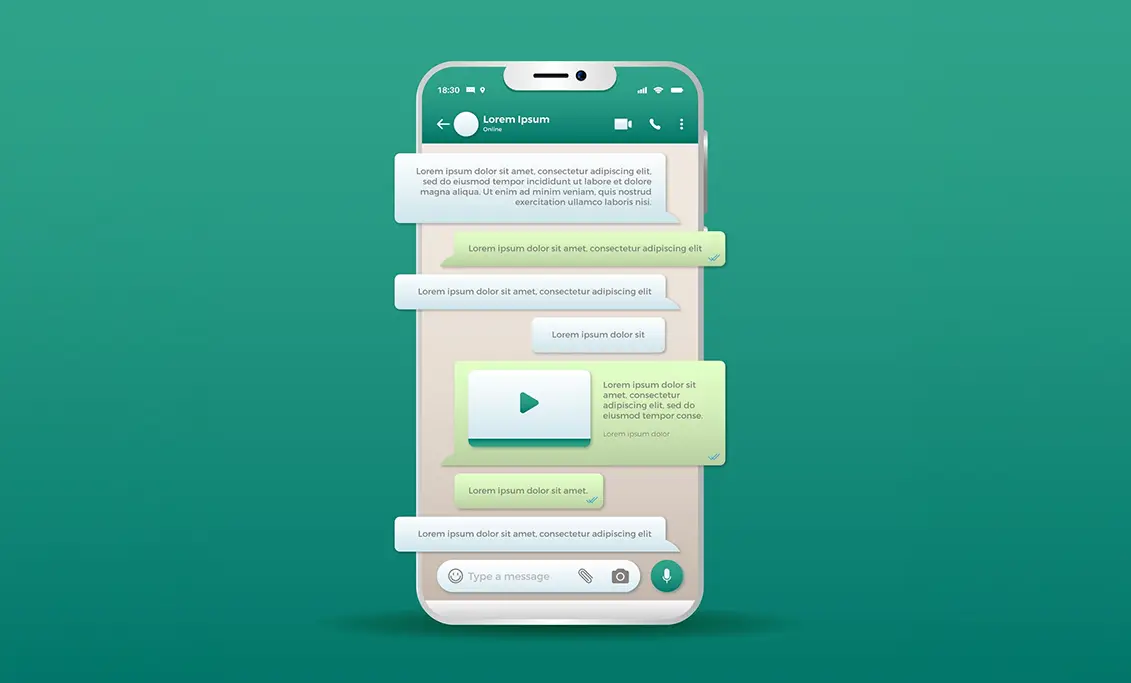
The main difference between SMS and MMS via iMessage or WhatsApp is the capabilities and features each offers:
Content Type:
SMS: Usually limited to short text only, there may be some limited possibilities to add links.
iMessage and WhatsApp: Allows sending text messages as well as photos, videos, emojis, audio files, and other multimedia.
Quality and accuracy:
SMS: Limited to plain text, does not support high-resolution media.
iMessage and WhatsApp: High-resolution media such as high-quality photos and high-quality videos can be sent.
Compatibility and usage:
SMS: Depends on the cellular network and may be available depending on mobile phone subscription plans.
iMessage and WhatsApp: Requires an internet connection and depends on a specific app that must be installed on the phone.
Security and privacy:
SMS: May not be fully encrypted and subject to local telecommunications laws.
iMessage and WhatsApp: Advanced message encryption options are available, providing a higher level of security and privacy.
Additional functions:
iMessage and WhatsApp: Provides many additional functions such as group chat, location sharing, video and voice calls, and other features.
Overall, iMessage and WhatsApp offer a more comprehensive and interactive experience compared to SMS, as they support sending a variety of multimedia and add-ons that make communication easier and more versatile.
The difference between SMS and MMS for brand marketing
Here's the difference between SMS and MMS marketing for brands:
Content Type:
SMS: Usually limited to short text, making it suitable for sending simple text messages containing promotional text or a link.
MMS: Allows images, videos, and audio to be sent alongside text, providing greater opportunities to deliver content-rich marketing messages.
Attractiveness and influence:
SMS: Due to text limitations, the impact may be less than MMS, but words can be used directly and effectively.
MMS: Multimedia content provides greater appeal and stronger impact, as images and videos can be used to better capture customers' attention.
Cost:
SMS: SMS messages are usually less expensive compared to MMS messages, as short text is less data consuming.
MMS: Sending MMS messages is more expensive due to the use of multimedia.
Interactivity and customization:
SMS: Interaction may be limited due to short text, but messages can be well personalized with customer names and other personal information.
MMS: Multimedia content allows for a greater interactive experience, as images and videos can be used to stimulate interaction and enhance the customer experience.
Ability to express:
SMS: Allows only short text, which may reduce the ability to fully express.
MMS: The widespread use of multimedia allows for greater and more creative expression, allowing complex and distinct marketing messages to be delivered.
5 tips when creating marketing messages via SMS
Explain the message clearly and directly:
Keep the message short and to the point, and make sure the goal is clear to the customer. Use strong, engaging phrases that motivate customers to interact.
Personalize messages:
Use customers' names and other personal information in messages to make them more relevant and effective. A sense of personalization can increase response rates.
Test messages:
Before sending the message to customers, run tests to ensure that the message displays correctly on different types of devices and screens. You can also test the title and content to measure their effectiveness.
Add customer orders:
Include calls for customers to take a specific action such as visiting the website, downloading an app, or using a promo code. Make the step easy and clear for the customer.
Message timing:
Set appropriate times to send messages, such as when customers are more willing to interact such as evenings or weekends. Avoid sending messages at inappropriate times to avoid annoying customers.
Using these tips, you can improve the quality and effectiveness of your SMS marketing messages and increase your chances of reaching customers and achieving the desired results.
5 tips when creating marketing messages via multimedia messages
Directing the message to the appropriate audience:
Before creating the message, determine the features and interests of your target audience. Personalize the content to match their needs and fit their style and preferences.
Choosing the appropriate media:
Use multimedia wisely and choose images, videos, and animations that best reinforce your marketing message and capture customers' attention.
Keep it simple and clear:
Make sure the message is easy to understand and straightforward. Make sure to provide clear and concise information, and avoid excessive words or excessive visual elements.
Enhance interactivity:
Use multimedia to enhance interactivity with customers, such as including direct links to websites, directing calls, or using interactive icons.
Measure and improve performance:
Track the performance of your multimedia marketing campaign using data and analytics. Use the results to identify strengths and weaknesses and improve future campaigns.
By following these tips, you can create multimedia marketing messages that are effective, creative, and interactive, contributing to achieving your brand's marketing goals.
The article was written by Magnet Team